
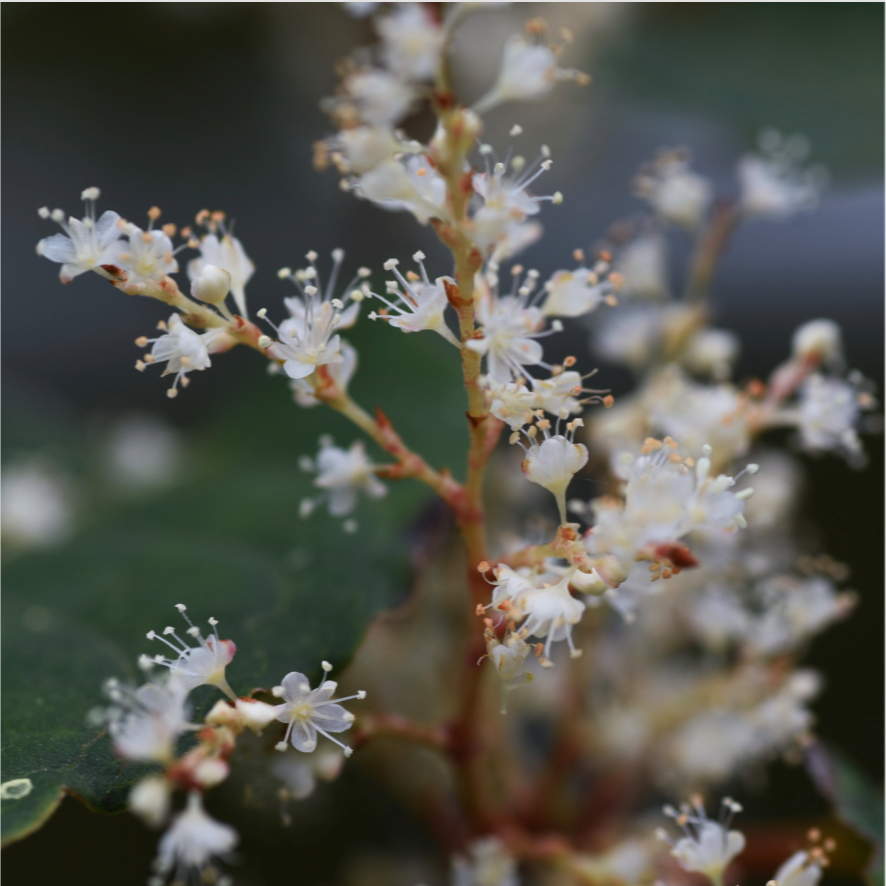
Invasive plants are often a major concern for land stewards across the Hudson Valley - but is our approach to invasive plant management missing the bigger picture? In this session, Dr. Bernd Blossey, Director of Cornell University’s Ecology and Management of Invasive Plants Program, will present groundbreaking research on ecosystem impacts of many of our most feared invasives, the unintended consequences of our most common management protocols, and the research avenues that remain underexplored. We’ll cover the underlying and often unseen ecological stressors driving many plant invasions, including white-tailed deer overabundance; and discuss practical tools for land management at a variety of scales.
Join us on April 14th, from 8:30-9:30 am for this special presentation. PCA’s Avalon Bunge moderates, followed by a Q&A.
This year, our Morning Coffee Series centers on the theme of restoring connection and invites participants to explore our region through talks that touch on the ecology of the land, the beings who inhabit it, our human place in it, and what its future may hold. We hope you will join us for these eight sessions–always free and virtual–and deepen your connection to this place.
About our Speaker:
Bernd was born and raised in northern Germany. In 1992, he moved to Cornell University, where he is a Professor directing the Ecology and Management of Invasive Plants Program in the Department of Natural Resources and the Environment. Bernd develops and implements biological weed control programs; among his target plants are purple loosestrife, water chestnut, Japanese knotweeds and invasive Phragmites. An ever increasing focus of his team is investigations into impacts of multiple “stressors” including invasive and native plants, earthworms, slugs and deer on a wide range of native organisms. He is intimately involved in different approaches to deer management at Cornell and in the surrounding municipalities, he has developed a network or deer exclosures to study impact of deer on many species and processes and is developing bioindicators to assess effects of different stressors, including deer. He has also recently completed a large study in northern Wisconsin to assess the effects of wolves on deer and forest plants (a trophic cascade) The ultimate aim of this work is to increase the conservation values of all lands through development of best management practices.