
Three Ways to Grow PollinateHV’s Local Ecotype Seeds
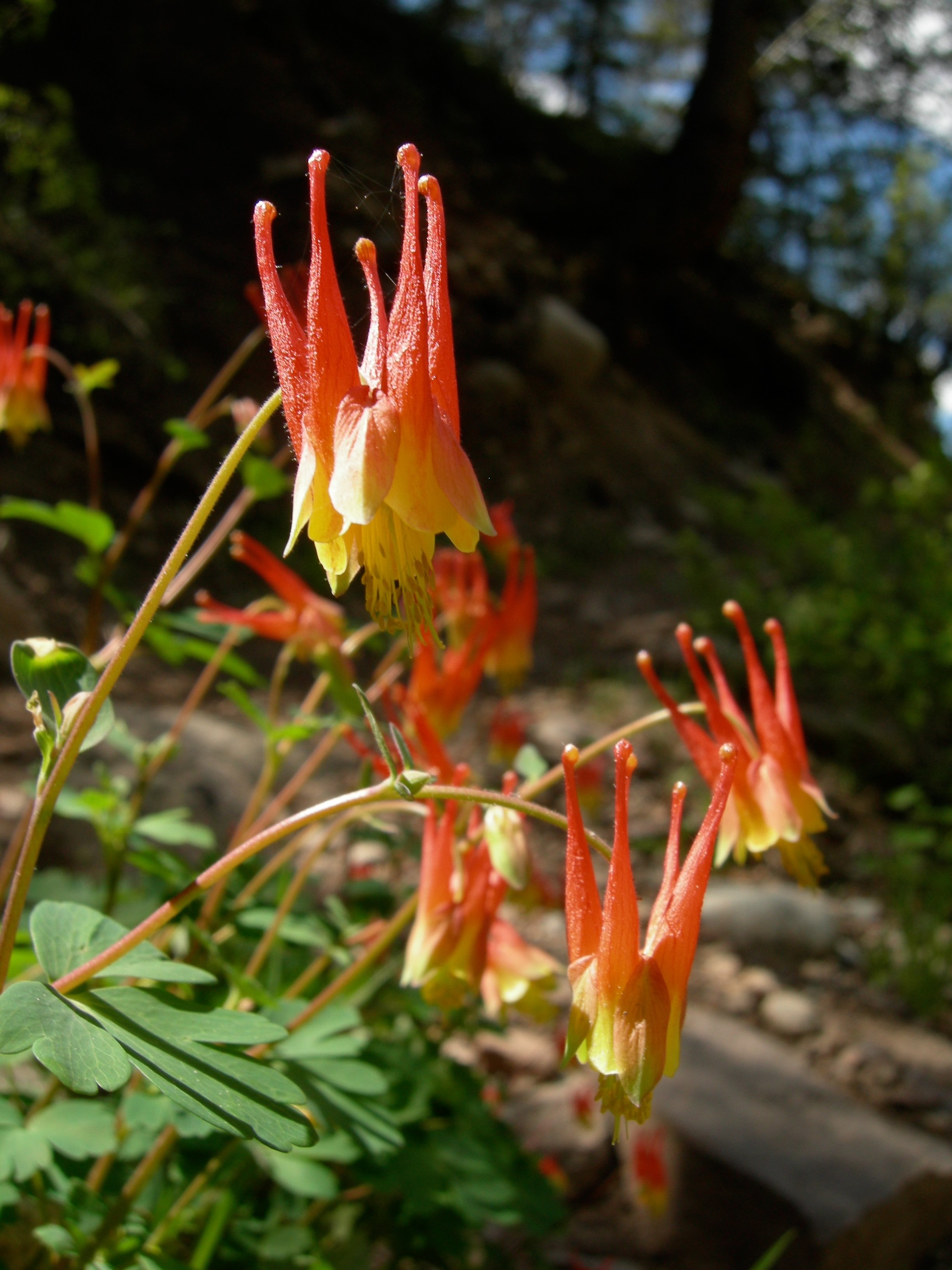
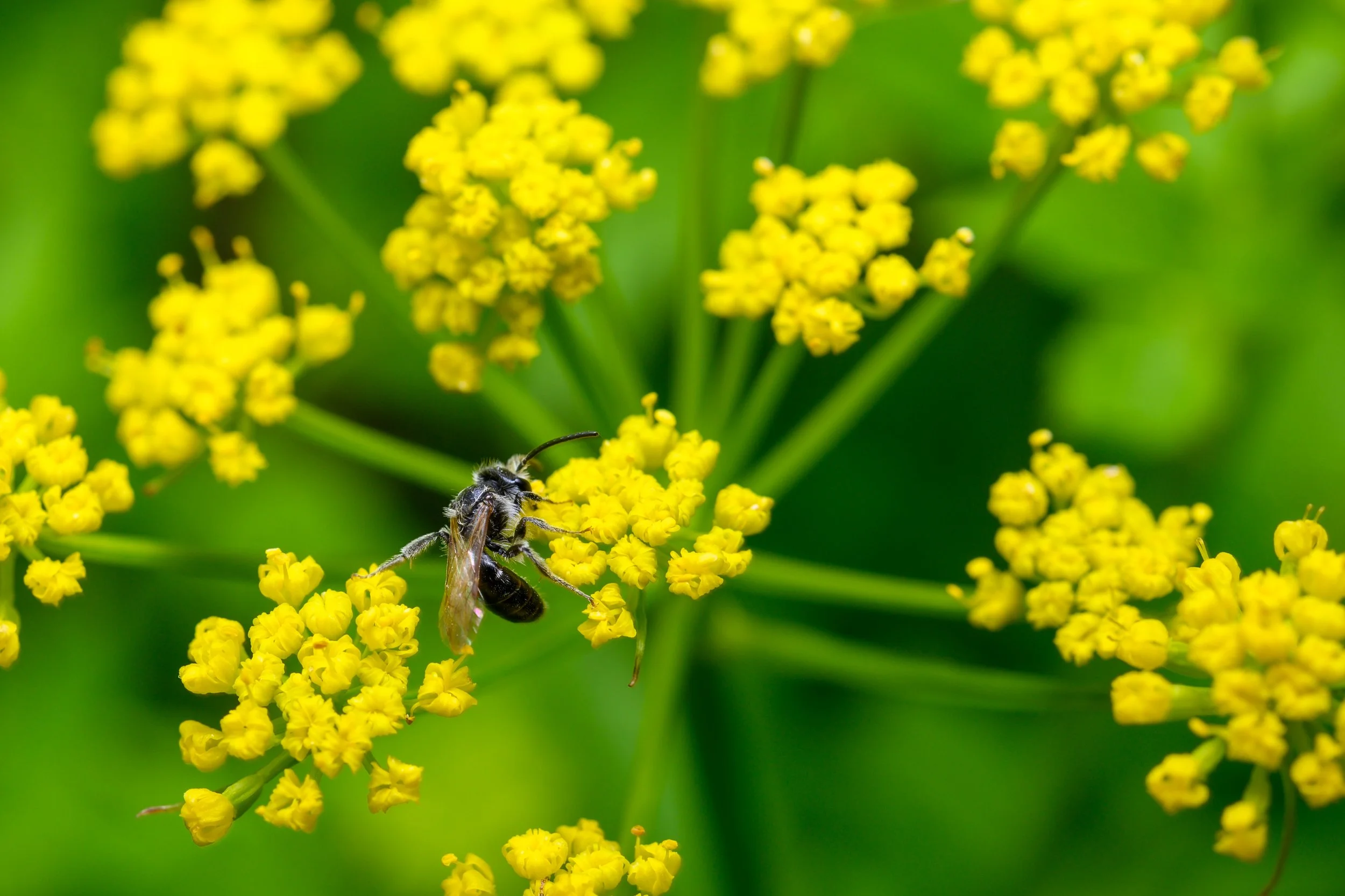
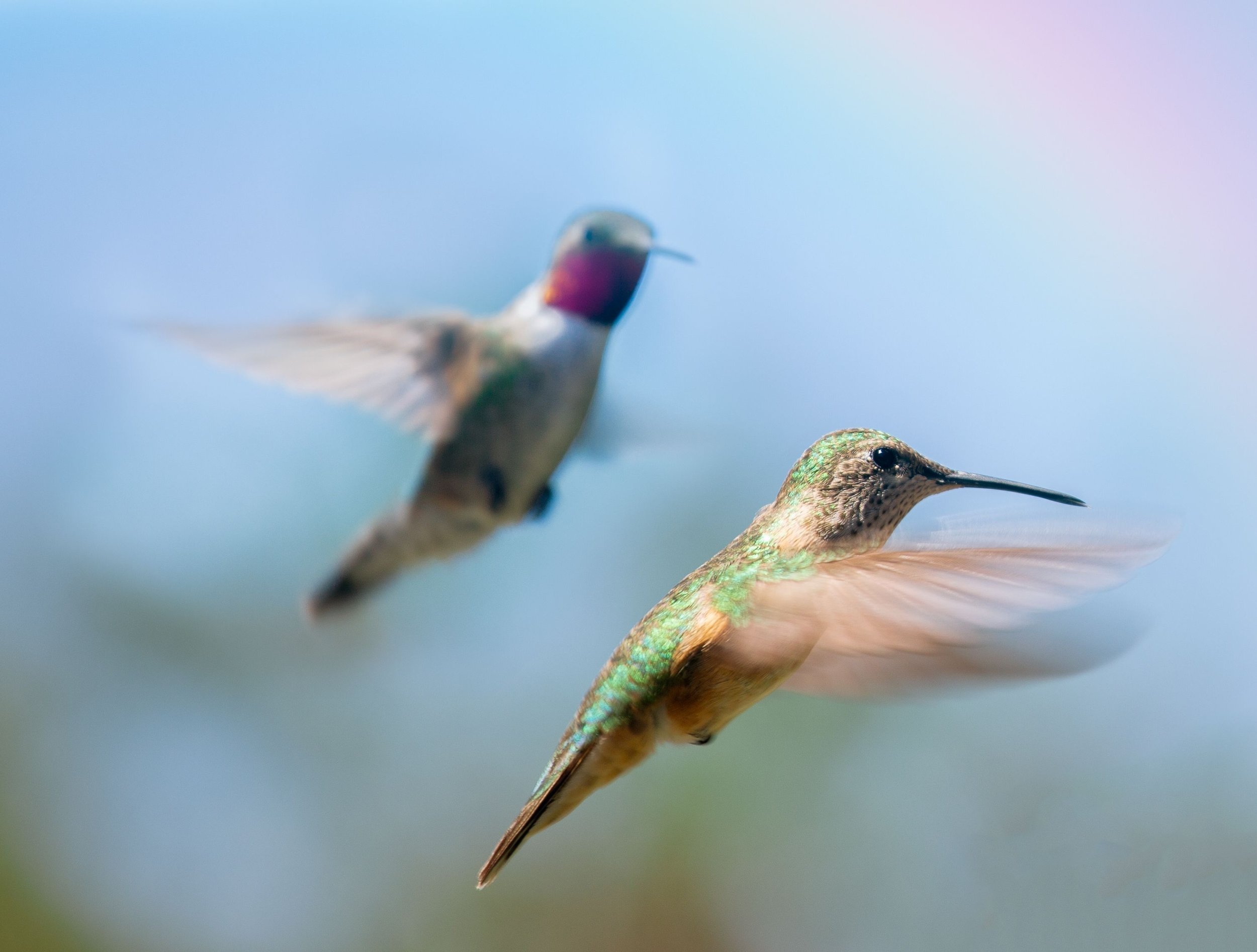
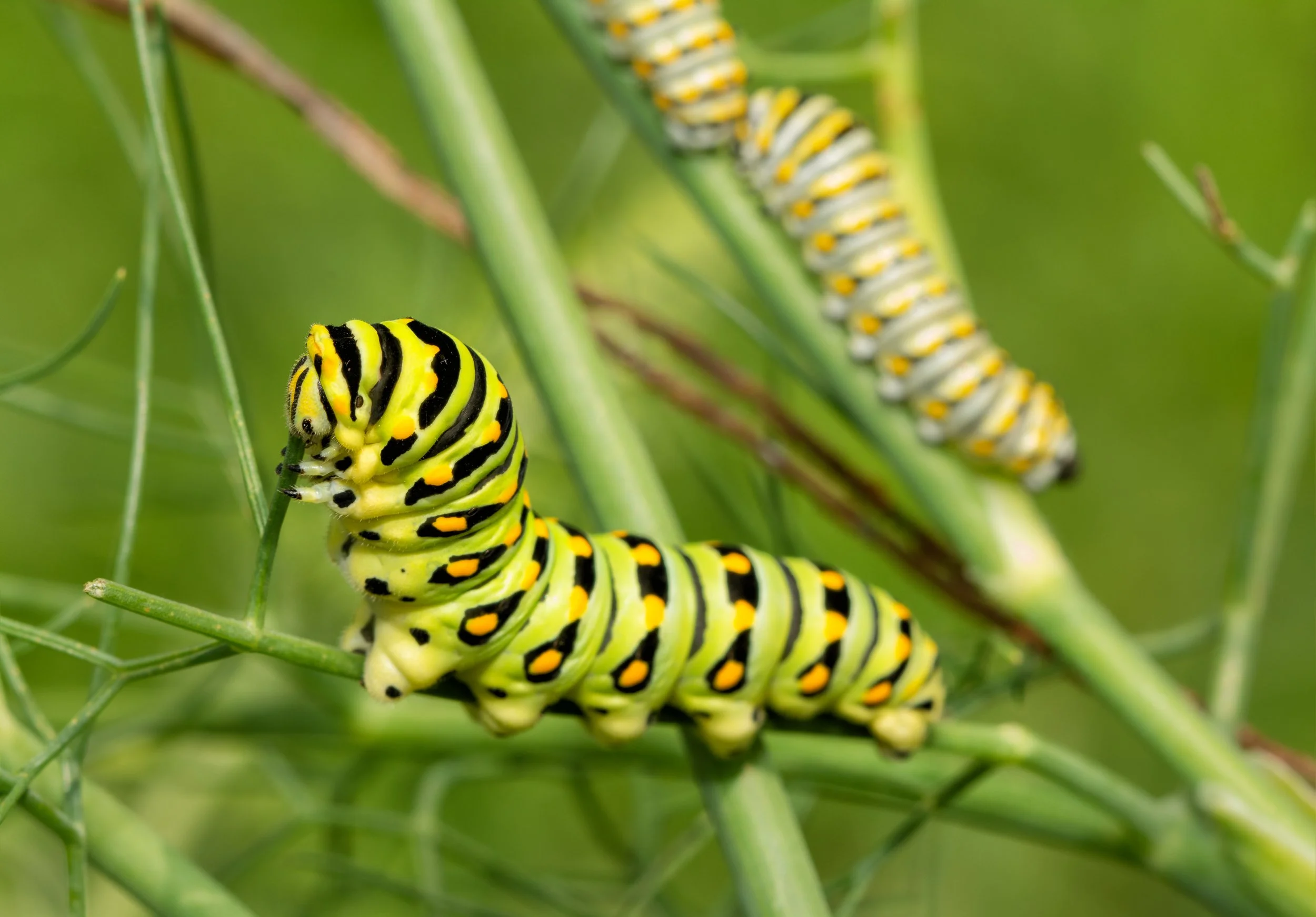
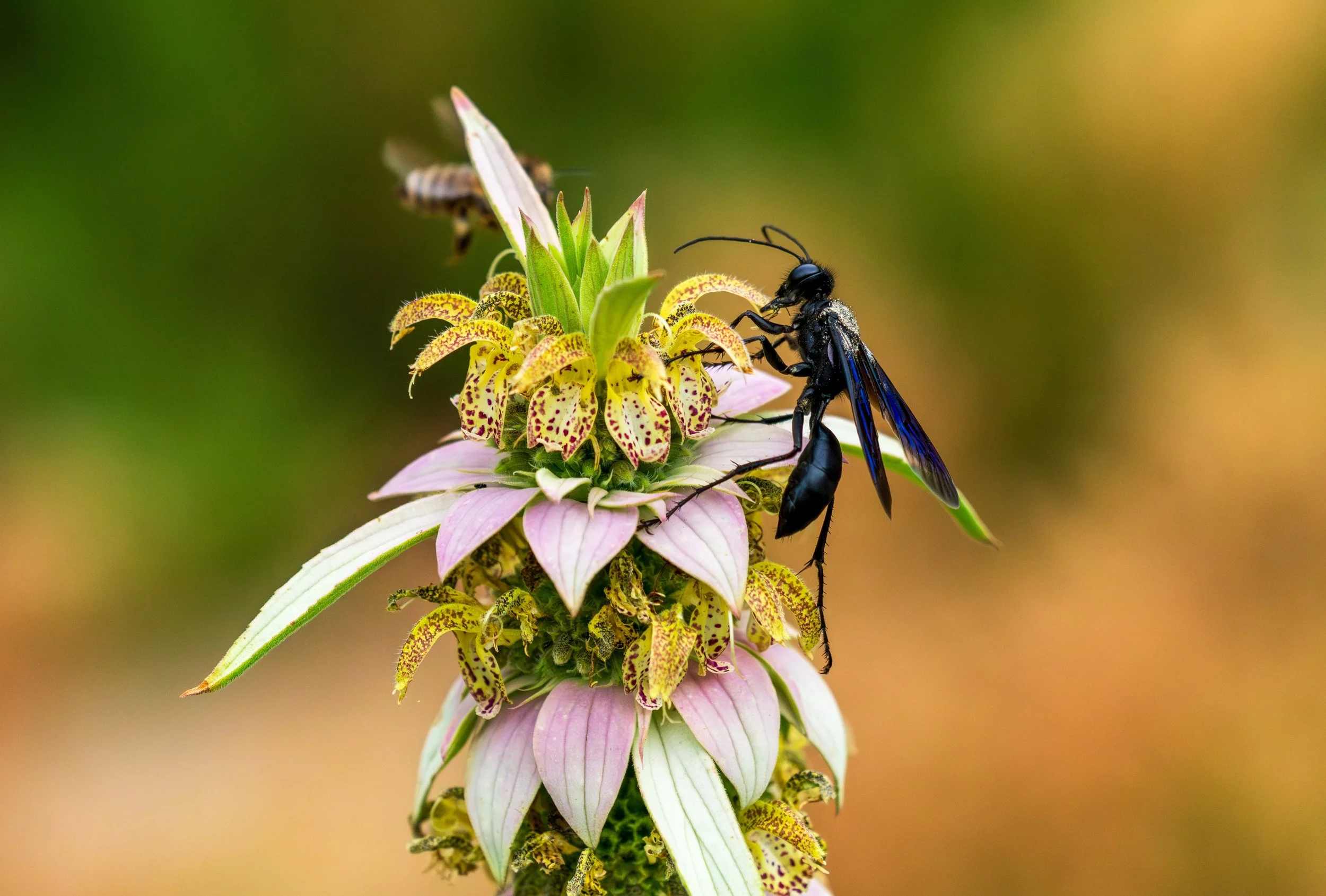
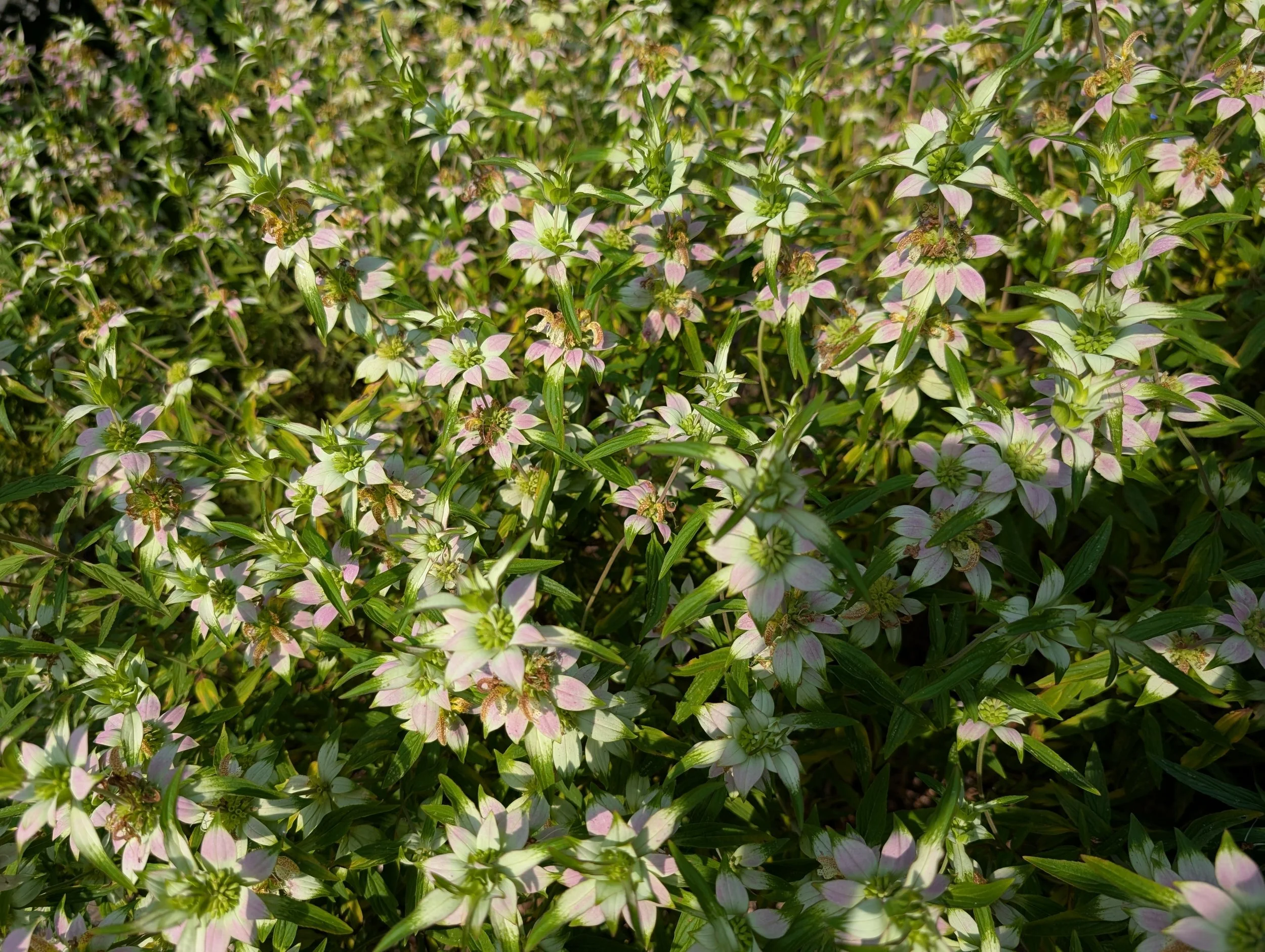
This winter the Hudson Valley Seed Company, in partnership with PollinateHV, introduced three new species to its local ecotype seed collection: red columbine, golden alexander, and spotted bee balm. Sourced from locally native seeds and grown for seed collection at the company’s Accord farm, each of these species is easy to cultivate and a pollinator magnet.
We’ve put together easy tips for sowing for a range of conditions and species requirements. Happy gardening!
Winter Sowing Seeds Outdoors
Many seeds require a period of cold stratification to germinate, usually over 1-3 months. One way to accomplish this is through winter-sowing seeds in a few simple steps:
Gather containers for your seeds. These might include milk jugs with the top cut off, old plastic pots, or even leftover takeout containers. Drill or poke holes in the bottom so water can escape.
Fill the vessel with moist soil to a depth of 3-4".
Sprinkle seeds on the soil surface, adding a few pinches of sand to keep the seeds in place if you have it.
Place the container outdoors in a sunny spot where the cycles of rain, snow, and sun will help your seeds to germinate naturally in the spring.
Be patient: Some seeds take longer than others to germinate. Trust us, they’re worth the wait!
Cold Stratification in the Refrigerator
This is a great method to use if you’re attempting to stratify seeds later in the spring or summer when the natural cold cycle is over outside. Try cold stratifying seeds in your refrigerator with these simple steps:
Soak and squeeze paper towels: they should be wet but not dripping to avoid mold formation.
Place the seeds on the wet towel and place the towel flat inside a small plastic sandwich bag; seal the bag closed.
Store the seed bag in your refrigerator for at least 30 days and up to three months.
Remove the seeds from the bag and plant in soil (outside, in a greenhouse, or indoors under a light source) and wait for them to germinate.
Direct Sowing Without Cold Stratification
Some species, like spotted bee balm, don’t require a period of cold stratification. Instead, seeds can be directly sown on bare soil in the garden or a pot.
For best results:
Sow seeds in the late fall or early spring by clearing debris, mulch, and other obstacles from a patch in your garden.
Gently sprinkle the seeds on the bare dirt, pressing them into the surface with your fingers.
If you have some sand handy, work a pinch into the seeds and surface to keep the seeds from washing away in the rain.
Wait for your seeds to germinate once the weather has warmed.
