
Join us on February 17th as we hear from Hudsonia's Erik Kiviat!
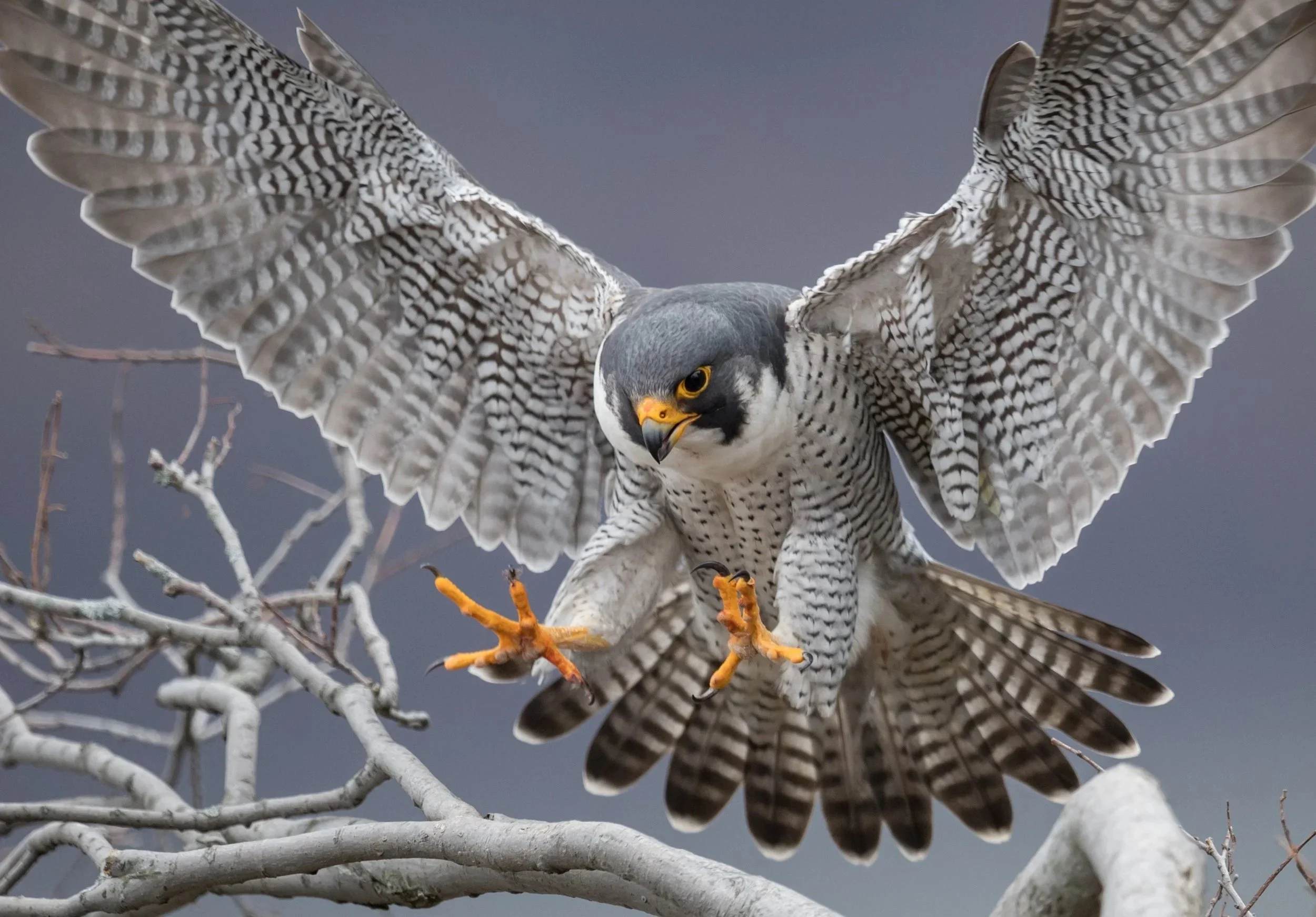
The Hudson Valley is home to nearly 90% of all New York State species–including many rare fish, birds, and plants–despite accounting for only 13% of the state's landmass. The endangered bog turtle lives a quiet and important life in the area’s wetlands; peregrine falcons soar above the Hudson’s waters; elusive fishers roam our forests; and the water nymph, a rare aquatic plant, lives beneath the surface of the Hudson, the only waterway on Earth to host it. Our region is beautifully unique, yet extremely vulnerable: the Hudson Valley is expected to experience some of the worst effects of climate change in New York State.
Along with the effects of climate change, the biodiversity of our region is impacted by development. In the face of an uncertain future and the changing landscape around us, learning from the past allows us to protect what's precious. Erik Kiviat, executive director of Hudsonia, joins us for this special opening webinar of our 2026 Morning Coffee Series to present his talk, "Biodiversity Change: What a Damaged Landscape Teaches About the Future of the Mid-Hudson Region."
Join us from 8:30-9:30 am on February 17th for this exciting presentation. PCA’s Avalon Bunge moderates, followed by a Q&A.
This year, our Morning Coffee Series centers on the theme of restoring connection and invites participants to explore our region through talks that touch on the ecology of the land, the beings who inhabit it, our human place in it, and what its future may hold. We hope you will join us for these eight sessions–always free and virtual–and deepen your connection to this place.
About our Speaker:
Erik Kiviat is the co-founder and executive director of Hudsonia, a nonprofit institute for research and education in the environmental sciences based at Bard College, where he formerly taught natural history and environmental studies. He holds a B.S. in natural sciences from Bard, an M.A. in biology from SUNY New Paltz, and a Ph.D. in ecology from the Union Institute. Erik has studied plants, animals, and their habitats in the Hudson Valley, northeastern New Jersey, and widely in North America and Europe, ranging from rural to urban-industrial and wildland landscapes. Erik’s research addresses wetland habitats and organisms, especially in freshwater tidal environments, biota associated with nonnative weeds, turtles and other herpetofauna, and human ecology. A prominent question in his studies is always, “How can people use the landscape with less adverse impacts on uncommon and rare wildlife and plants.”