
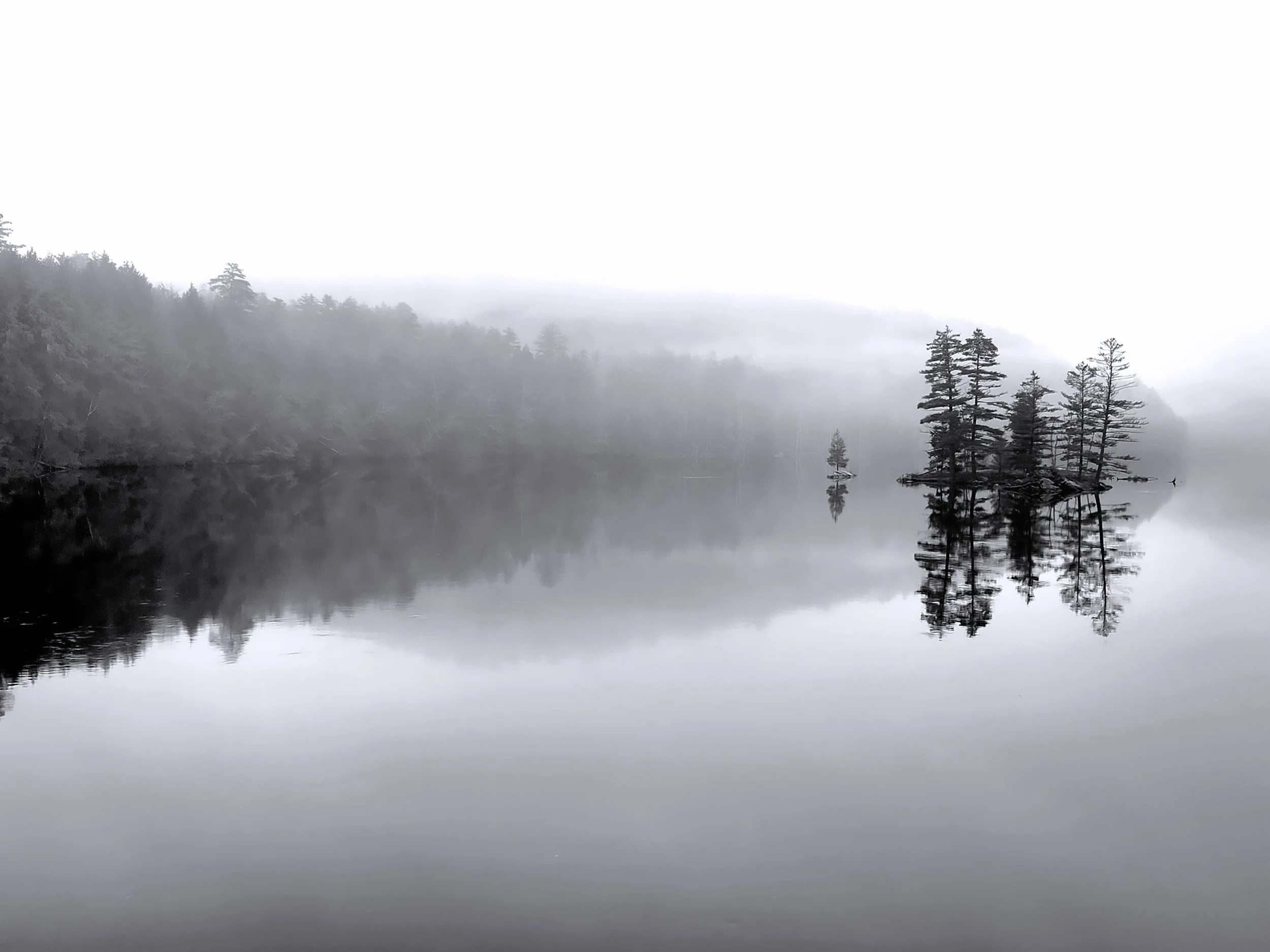
Rewilding efforts happen all around us: beavers create wetlands that boost biodiversity; human-made dam removal revives fish migration and allows ecosystems to recover. It is sometimes misunderstood as the intentional absence of human influence, but that is not the case. Rewilding is a partnership with nature which aims to rebuild inherent resilience and capacity. It includes practices such as the reintroduction of lost species, the removal of invasive species, and the restoration of landscape connectivity. The goal is to eventually reduce the need for management and hasten recovery as a discipline that acknowledges the agency of non-human beings within the Earth’s natural processes. The benefits to us, the beings we share our place with, and the ecosystems in which we all live are clear and well-studied.
Join us on May 19th at 8:30 AM for our May Morning Coffee Series installment, “Rewilding at Work in the Hudson Valley,” when we will be joined by Mighty Earth’s Renee Seacor and Black Rock Forest’s Director of Research Scott LaPoint, who will discuss the basics of rewilding practices and research and how this movement is supporting wildlife connectivity efforts. He will also touch on how this practice seeks the re-establishment of lost species diversity in our region and beyond. Paige Ruane moderates, followed by a Q&A with our speakers.
Restoring Connection, the theme of this year’s Morning Coffee Series, invites viewers to explore our region through talks that touch on the ecology of the land, the beings who inhabit it, our human place in it, and what the future may hold. We hope you will join us for these eight sessions–always free and virtual–and deepen your connection to this place we love.
About our Speakers:
Renee Seacor is the Northeast rewilding director at Mighty Earth, where she leads efforts to explore the reintroduction of catamounts to the forests of the Northeast. She previously served as carnivore conservation director for Project Coyote and has spent her career advocating for wildlife and wild places through litigation, policy, field research, and public outreach. Renee holds a B.S. in environmental science from Rocky Mountain College and a J.D. with a concentration in environmental law from the University of Oregon, with professional experience ranging from field research in Montana’s Yellowstone River ecosystem to state and federal policy work advancing endangered species protection, water quality, and climate resilience.
Dr. Scott LaPoint is the director of research at Black Rock Forest in Cornwall New York and an adjunct associate research scientist at Columbia University. Scott oversees all research activities at Black Rock Forest, including his own research interests in carnivore movement behavior, landscape ecology and connectivity, and wildlife distribution patterns. He has a B.S. in natural resource policy & management from Paul Smith's College, a M.S. in conservation biology from SUNY E.S.F., and a Ph.D. in biology from the Universität Konstanz in Germany. Scott arrived at Black Rock Forest after postdoctoral appointments at the Max-Planck Institute of Animal Behavior and the Lamont-Doherty Earth Observatory of Columbia University.